
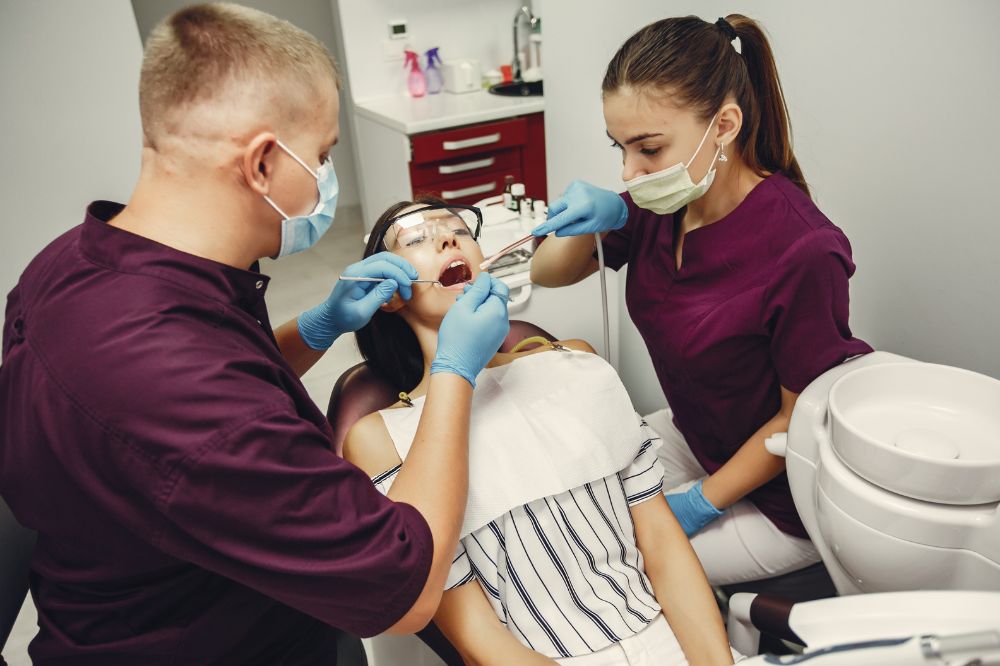
When people think about the dentist, they usually think of cleanings or small fillings. However, some problems need much more work to fix.
If you visit a dental clinic in Wetaskiwin, you might wonder which jobs are the toughest for the team to do.
While many people are scared of getting wisdom teeth pulled, other surgeries involve the jawbone and nerves. These require a lot of planning and skill to make sure the patient heals well and stays comfortable.
Why Is Fixing The Jawbone So Tough?
Corrective jaw surgery is often seen as one of the hardest jobs. This is because it involves moving the bones of the face to fix a bite that does not line up.
Since the jaw is full of sensitive nerves that help you talk and eat, the team at a dental clinic near you must be very careful. They use special 3D pictures to map out the whole mouth before they even begin.
- Moving Bone: Shifting the jaw to fix a big underbite or overbite.
- Nerve Safety: Working around the tiny nerves that give feeling to your lips.
- Long Healing: It can take a long time for the jawbone to get strong again.
- Better Breathing: This surgery can also help people who have trouble breathing at night.
Moving The Sinus For Tooth Implants
When a tooth has been missing for a long time, the bone can shrink away. This makes it hard to put in an implant. Finding oral surgery that can do a “sinus lift” is very important for these cases.
This job is tricky because it involves lifting the thin skin inside your sinus to add new bone underneath.
If that skin tears, it can cause problems, so the team has to have a very steady hand.
Which Surgeries Are The Most Difficult?
This table shows how different surgeries compare when it comes to how hard they are.
| Procedure | Difficulty | Healing Time |
| Pulling a Tooth | Low | 3 to 5 days |
| Wisdom Teeth | Medium | 1 week |
| Tooth Implant | Medium | 3 to 6 months |
| Sinus Lift | High | 6 months |
| Jaw Surgery | Very High | Up to 1 year |
What Makes A Surgery High-Risk?
Not every surgery is the same for every person. Things like how old you are or where your nerves live can turn a normal day into one of the high-risk dental surgeries that need extra care.
For example, if a tooth is wrapped around a nerve, the risk of losing feeling in your chin is much higher.
In these cases, the team has to use special tools to move the tooth without touching the nerve at all.
Fixing The Front “Smile Zone”
Putting a new tooth implant in the very front of the mouth is actually very hard. The bone there is much thinner than in the back, and the gums have to look perfect.
- Gum Shape: Making sure the gums look the same on both sides.
- Perfect Angle: The new tooth has to sit at just the right angle to look real.
- Thin Bone: Sometimes extra bone is needed so the metal doesn’t show through.
- Color Choice: The fake tooth has to match your other teeth exactly.
How New Tools Make Hard Jobs Easier
Modern technology has made “hard” surgeries much safer than they used to be. By using digital scans, the team can practice the whole surgery on a computer first.
- 3D Scans: These show exactly where the bones and nerves are.
- Guides: 3D-printed tools that show the exact spot to place an implant.
- Vibration Tools: New instruments that cut bone but won’t hurt soft skin or nerves.
- No Messy Molds: Cameras take a picture of your teeth, so everything fits perfectly.
How To Heal After A Big Surgery
The harder the surgery, the more you have to focus on resting afterward. A big jaw surgery means you have to be very careful with what you eat and how you clean your mouth.
- Soft Foods Only: You may need to stick to liquids for a few weeks.
- Ice Packs: Using ice helps keep the swelling down.
- No Heavy Lifting: You need to keep your heart rate low so you don’t bleed.
- Check-ups: You will need to come back to the office to make sure everything is healing.
Expert Care for Your Smile
Sometimes keeping your mouth healthy means needing a more complex procedure.
At Wetaskiwin Family Dental, the main goal is to make sure you feel safe and calm through the whole process. By using the best tools and a very gentle touch, the team makes even the biggest jobs feel much easier.
Taking care of your health and making sure you feel good about your smile is what matters most. Our team is here to help you every step of the way!
Frequently Asked Questions
Which surgery takes the longest to heal?
Moving the jawbone takes the longest. While you will feel okay after a week or two, it takes many months for the bone to fully fuse back together and become strong.
Is a root canal a type of surgery?
Usually, a root canal is not called surgery because it happens inside the tooth. It only becomes surgery if the team has to go through the gum to fix the very tip of the root.
Will I be in pain during the surgery?
No, the team uses strong numbing and sometimes “sleepy” medicine so you don’t feel a thing. Most people say the healing part is the only time they feel a bit sore.
How do I know if my case is hard?
The team will look at your X-rays and tell you. If your tooth is very close to a nerve or your bone is very thin, they will explain the extra steps they need to take