
Many people visit the dentist regularly for cleanings and checkups but never think about oral cancer. It feels like something that happens to other people — a rare condition they have heard of but do not really worry about.
The truth is, oral cancer is more common than most people realize. It affects thousands of Canadians every year. And like many cancers, early detection makes all the difference between successful treatment and serious complications.
Oral cancer screening near you is one of the simplest and most important preventive tools available. Most dentists now include it as a standard part of every routine checkup — a quick, painless assessment that takes just a few minutes and could genuinely save your life.
What Is Oral Cancer?
Oral cancer is cancer that develops in the tissues of the mouth—the lips, tongue, gums, cheeks, or the floor and roof of the mouth. It can start in the soft tissues or, less commonly, in the bone beneath.
Risk factors include:
- Tobacco use — including smoking and chewing
- Heavy alcohol consumption
- Human papillomavirus (HPV) infection
- Prolonged sun exposure to the lips
- A family history of cancer
- A weakened immune system
- Poor oral hygiene
Age is also a factor — oral cancer is more common in people over 40, though it can occur at any age.
Why Regular Screening Matters
Early detection of oral cancer dramatically improves treatment outcomes and survival rates. When cancer is caught in its earliest stages, treatment is often simpler, less invasive, and more effective.
Yet many people do not get screened until they notice symptoms—by which point the cancer may have progressed. This is why finding a dentist in Wetaskiwin who performs routine oral cancer screening as part of regular dental care is genuinely important.
A dentist’s office is the perfect place for screening because they are examining your mouth regularly anyway, and they are trained to spot the subtle changes that could indicate cancer developing.
How Is Oral Cancer Screening Done?
Understanding how is oral cancer screening done helps you feel comfortable and prepared during your checkup.
The screening process is simple and takes just a few minutes:
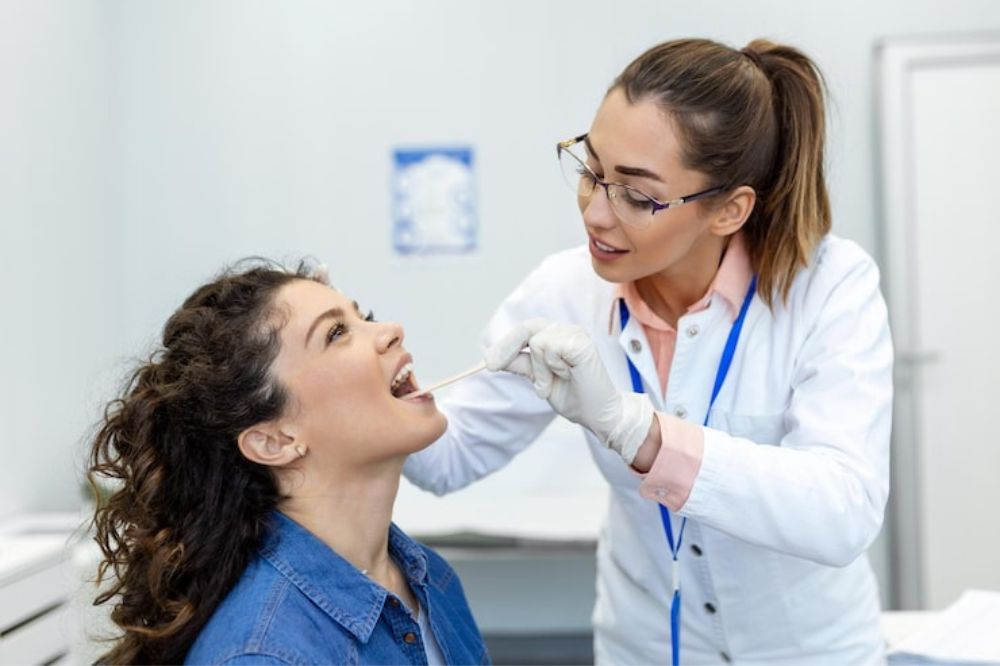
Your dentist visually examines your entire mouth—looking inside the cheeks, under the tongue, at the gums, and at the lips. They are looking for any areas that appear different from normal tissue — such as red or white patches, lumps, swelling, or areas that look unusual in any way.
They may also gently feel the tissues with their fingers, checking for any bumps, thickening, or abnormalities you cannot see.
If anything concerning is found, your dentist may use special lighting or take a small sample of tissue for further testing. In most cases, nothing is found — and you can leave knowing your mouth is healthy.
Advanced screening tools like oral cancer brush biopsies are now available at some practices, providing additional diagnostic capability when needed.
At a trusted dentist near Southview Dr who prioritizes preventive care, oral cancer screening is performed with the same care and attention as any other part of your checkup.
Early Warning Signs to Watch For
While regular dental screening is important, you should also be aware of signs that warrant prompt professional evaluation.
Contact your dentist if you notice:
- A persistent sore or ulcer in the mouth that does not heal within two weeks
- Red or white patches inside the mouth
- Difficulty swallowing or chewing
- Persistent pain in the mouth, throat, or ear
- Swelling or lumps in the mouth, throat, or neck
- Bleeding in the mouth without an obvious cause
- A hoarse voice or a change in how you sound
- Numbness or tingling in the mouth or lips
These symptoms do not automatically mean cancer, but they do warrant professional assessment. The sooner anything unusual is evaluated, the better.
The Benefits of Regular Oral Cancer Screening
The benefits extend beyond cancer detection:
- Early detection when treatment is most effective
- Peace of mind knowing your mouth is being monitored
- Identification of other oral health issues before they become serious
- Professional guidance about risk factors you can modify
- A trusting relationship with your dentist who knows your health history
Protect Your Mouth and Your Health — Wetaskiwin Family Dental Is Here for You
Oral cancer screening is a simple, painless procedure that takes minutes and could save your life. Regular screening combined with awareness of warning signs puts you in the best possible position to catch any problems early.
At Wetaskiwin Family Dental, your oral cancer screening is included in your dental care on a regular basis. We are here for your long-term needs – in every possible way. Make an appointment with us today and give your mouth the complete care it deserves.
Frequently Asked Questions
Q1: How often should I have an oral cancer screening?
Most dentists recommend oral cancer screening at every routine dental visit—typically twice yearly — this regular monitoring allows early detection of any changes or concerning areas.
Q2: Is oral cancer screening painful or uncomfortable?
No oral cancer screening is completely painless and non-invasive, involving only visual examination and gentle palpation of the mouth tissues, taking just a few minutes during your regular checkup.
Q3: What happens if something suspicious is found during screening?
If your dentist finds anything concerning, they will discuss it with you and may recommend a biopsy — a small tissue sample — to determine whether further treatment is needed, or they may refer you to an oral surgeon or oncologist for specialist evaluation.
Q4: Can oral cancer be prevented?
While you cannot eliminate all risk, you can significantly reduce your risk by avoiding tobacco and limiting alcohol, protecting your lips from sun exposure, maintaining good oral hygiene, and getting screened regularly.
Q5: What is the survival rate for oral cancer if caught early?
When oral cancer is detected in early stages, the five-year survival rate is significantly higher — often above 80 to 90 percent — compared to much lower rates when cancer is found at advanced stages, making early detection genuinely life-saving.